7 Signs Your Hospitality Business Needs Better Bookkeeping
How better financial systems can help restaurants, cafés, hotels and resorts save time, understand profitability and make more confident decisions.

7 Signs Your Hospitality Business Has Outgrown Basic Bookkeeping
Running a hospitality business means managing a lot of moving parts. Between staffing, suppliers, customer service, inventory, payroll and seasonal changes, bookkeeping can easily become something that only receives attention when a deadline is approaching.
Basic bookkeeping may be enough when a business is small. However, as sales increase and operations become more complicated, simply categorizing bank transactions is no longer enough to provide an accurate picture of how the business is performing.
Here are seven signs your hospitality business may have outgrown its current bookkeeping system.
1. You Have Sales Coming From Several Different Places
Hospitality businesses rarely receive all their revenue through one simple payment method.
Depending on the business, sales may come through:
- A point-of-sale system
- Online ordering platforms
- Hotel or accommodation booking systems
- Delivery apps
- Catering and private events
- Gift cards
- Cash payments
- Direct invoices
The amount deposited into the bank will not always match the sales shown by these systems. Processing fees, refunds, tips, gift cards and other adjustments may be deducted before the funds reach your account.
If bookkeeping is completed using only the deposits appearing in the bank, revenue, taxes and other balances may not be recorded correctly.
A hospitality bookkeeper should reconcile each sales system against the amounts received in the bank and investigate any differences.
2. You Don’t Know Which Parts of the Business Are Most Profitable
Your total sales may look strong, but that does not necessarily mean every area of the business is profitable.
A restaurant may earn revenue from food, liquor, catering, merchandise and delivery. A hotel or resort may have revenue from accommodation, food and beverage, events, rentals and other guest services.
Separating these revenue streams makes it easier to understand:
- Which areas are growing
- Which services produce the strongest margins
- Where expenses are increasing
- Whether promotions are profitable
- Where management should focus its attention
If everything is recorded under one general sales account, valuable information is being lost.
3. Payroll and Tips Take Too Much Time to Reconcile
Hospitality payroll is rarely straightforward. Employees may work different roles, receive different pay rates or earn overtime and vacation pay. The business may also need to manage tip pools, staff meals, benefits or other payroll deductions.
Tip reporting can be especially difficult when tips are collected through the point-of-sale system and later distributed through payroll, cash payments or a separate payment platform.
Tips collected from customers should be tracked separately from the business’s sales. Clear records should show how much was collected, how it was allocated and when it was paid to employees.
If tip balances regularly remain unexplained—or payroll requires several spreadsheets every pay period—it may be time for a more organized process.
4. You Are Unsure Whether Your GST and PST Reports Are Correct
Hospitality businesses in British Columbia can have several different tax treatments within the same transaction.
For example, food, liquor, merchandise, accommodation and other services may not all be treated the same way for GST and PST. Gift cards, tips and deposits can create further complications.
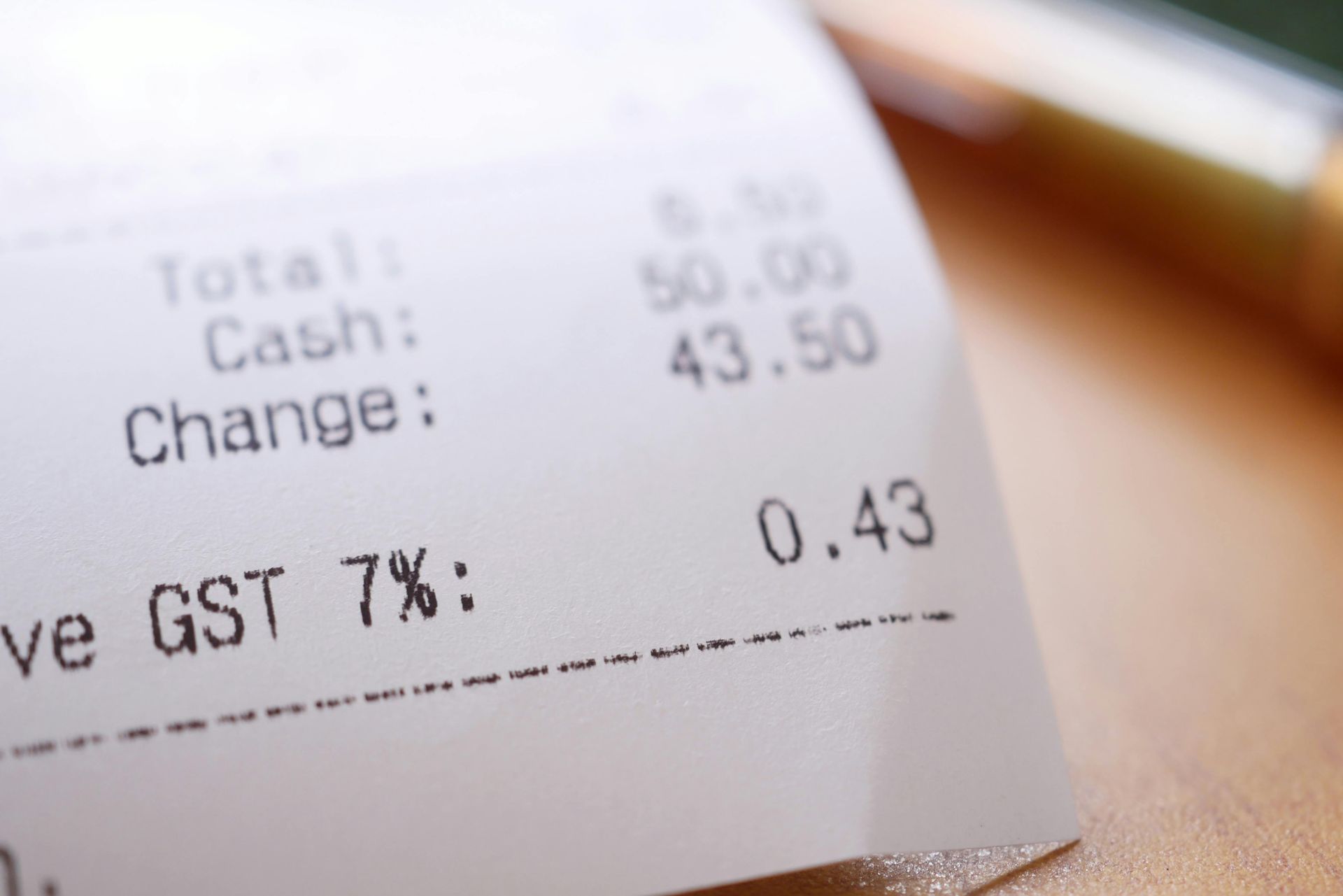
Accounting software can only produce an accurate tax report when the information entering it has been set up and recorded correctly. If sales are entered using net bank deposits or everything is grouped into one category, the GST and PST reports may be incomplete.
Regularly reconciling sales tax balances helps identify issues before a filing deadline or government review.
5. Your Financial Reports Arrive Too Late to Be Useful
Financial statements should help you make decisions—not simply report what happened several months ago.
Hospitality businesses often operate on tight margins, so owners need timely information about:
- Sales trends
- Labour costs
- Food and beverage costs
- Operating expenses
- Cash flow
- Profitability by location or department
- Amounts owing to suppliers and tax agencies
If financial reports are consistently delayed, decisions may be based on the bank balance rather than the actual financial position of the business.
Monthly reporting creates an opportunity to identify problems earlier, while there is still time to respond.
6. You Have Several Systems That Don’t Communicate
Many hospitality businesses use separate platforms for their point of sale, scheduling, payroll, supplier invoices, inventory, reservations and accounting.
These systems can save time, but only when there is a clear process for moving and checking information between them.
Without the right setup, businesses can experience:
- Duplicate sales
- Missing transactions
- Incorrect payroll hours
- Unexplained bank deposits
- Gift-card differences
- Supplier invoices entered twice
- Reports that do not agree between systems
Integrating software does not remove the need for bookkeeping. The integrations still need to be mapped correctly, monitored and reconciled regularly.
7. You Don’t Have a Clear Picture of Cash Flow
A busy restaurant, hotel or resort can have strong sales and still experience cash-flow pressure.
Payroll, supplier payments, rent, taxes and loan payments may all leave the bank at different times. Seasonal hospitality businesses also need to build enough cash during busy periods to cover quieter months.
A reliable bookkeeping process should help the owner understand:
- What is currently available
- Which bills are coming due
- How much is owed for payroll and sales taxes
- Whether upcoming expenses can be covered
- How seasonal changes may affect cash
- When additional funding may be required
Cash-flow planning is particularly important for hospitality businesses because a strong sales month does not always result in an equally strong bank balance.
Better Bookkeeping Creates Better Business Information
Good hospitality bookkeeping involves more than entering receipts and reconciling a bank account. It should connect the different parts of the business and turn everyday activity into useful financial information.
With the right systems in place, owners can spend less time trying to understand discrepancies and more time making informed decisions about staffing, pricing, costs and growth.
Hayson Accounting provides specialized bookkeeping, payroll and monthly financial reporting for restaurants, cafés, bars, hotels, resorts and other hospitality businesses across British Columbia.
If your current bookkeeping process is no longer keeping up with your business, contact our team to discuss how we can help create a clearer and more efficient financial system.